

How to Get Married in Hawaii the Legal Way: A Complete Guide for 2027
Let’s be honest. Most couples start researching how to get married in Hawaii, expecting the legal process to be way more complicated than it is. Maybe you’re imagining endless paperwork. Government offices. Waiting periods. Forms that somehow require information you’ve never heard of before. Spoiler alert, it’s NOT that difficult, promise.
Hawaii makes getting married surprisingly easy. Like… shockingly easy. 😂 I think a lot of couples expect some giant destination wedding hurdle, and then they’re almost disappointed when I tell them the hardest part is usually deciding where to celebrate afterward.
As a Maui wedding photographer, I walk couples through this process all the time, and one of the biggest surprises is how straightforward it is. Whether you’re planning a private beach elopement, a micro wedding with your favorite people, or a destination wedding weekend, the legal side of getting married in Hawaii is refreshingly simple. And that’s how it should be!
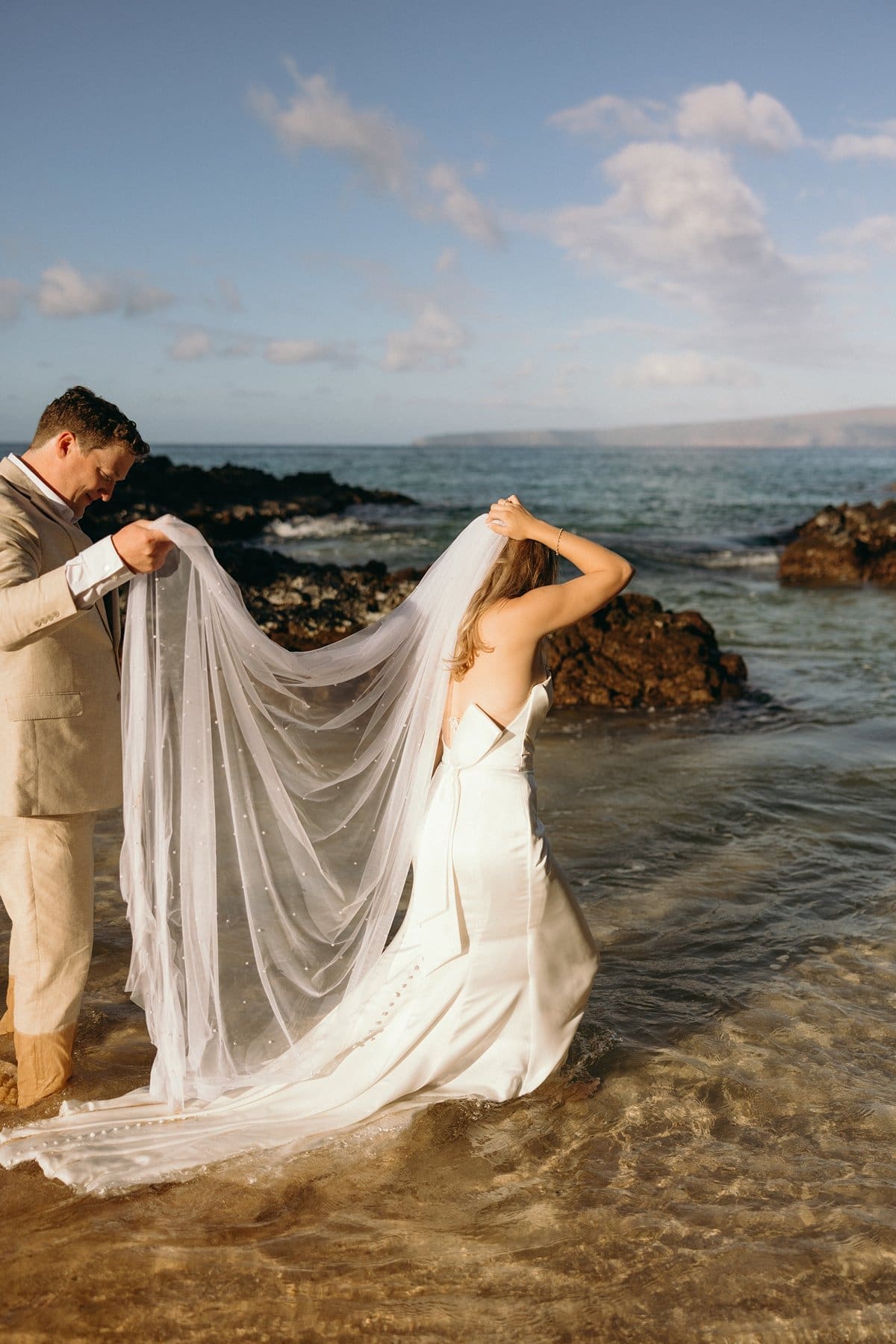
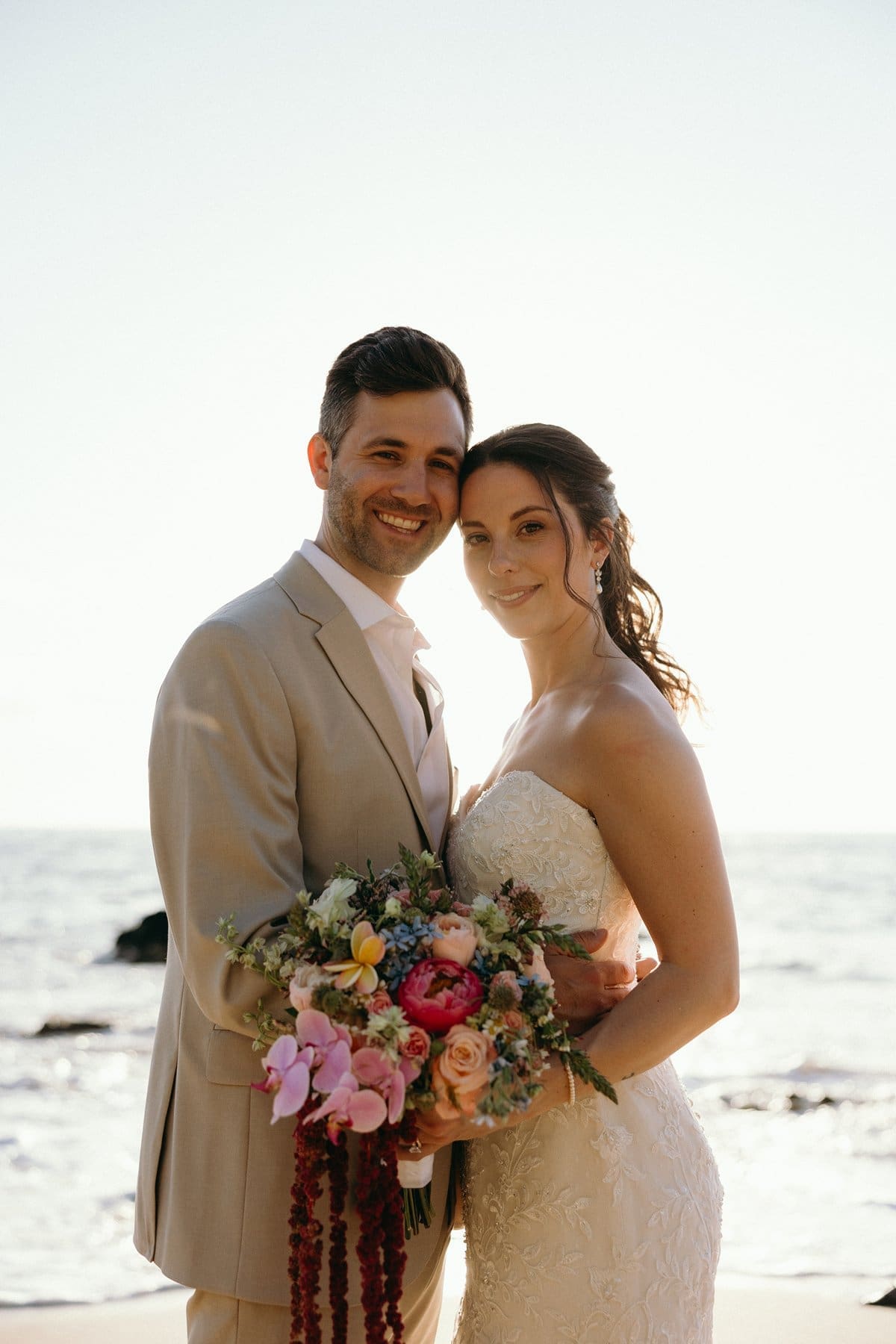
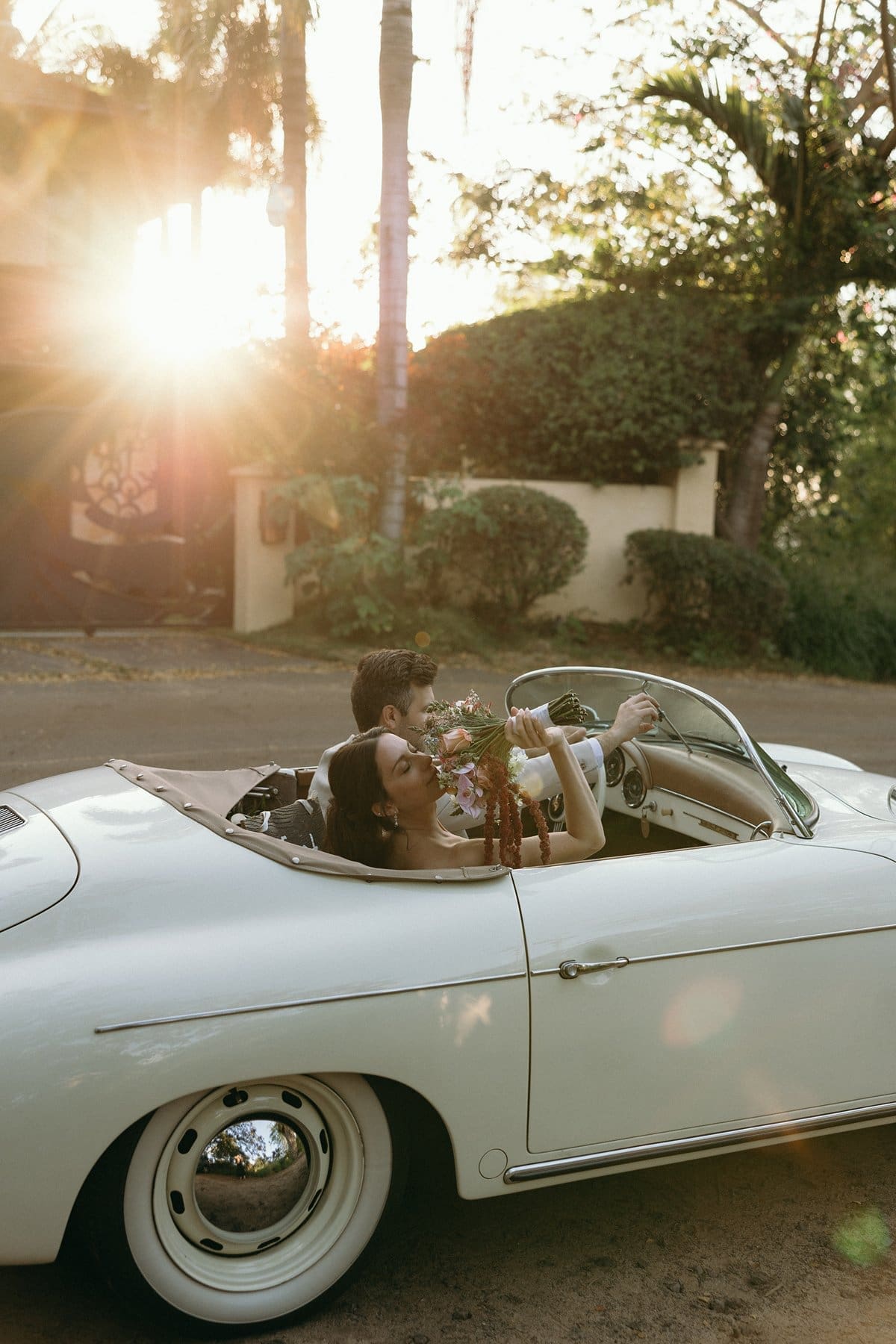
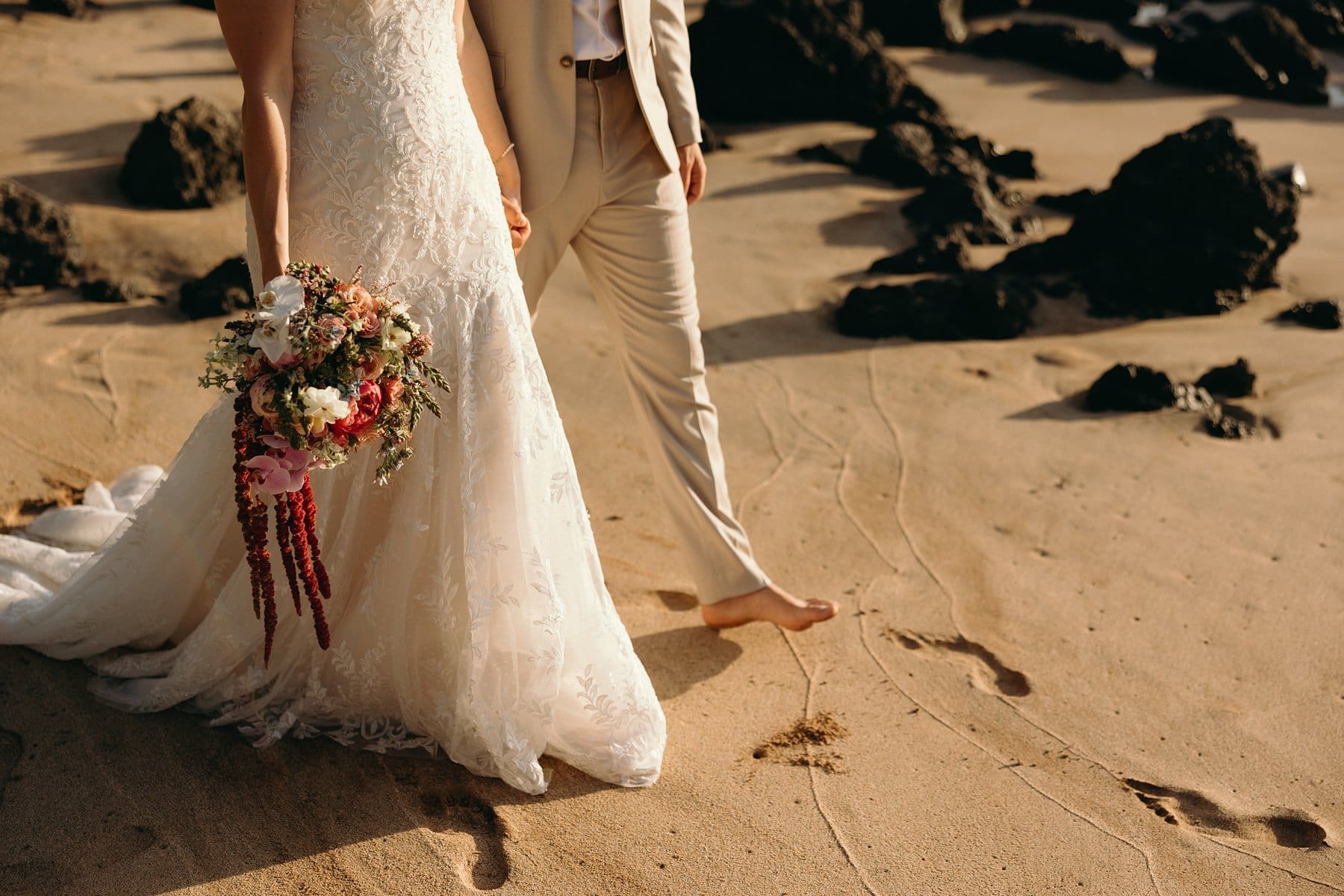
You’re planning a wedding in paradise. The paperwork shouldn’t be the stressful part.
So if you’re wondering exactly how to get married in Hawaii, what documents you’ll need, how much it costs, and what mistakes to avoid, you’re in the right place. I’ll walk you through everything step-by-step and share a few local tips along the way.
Here’s What You’ll See in the Blog
- Quick Answer: How to Get Married in Hawaii
- Why Couples Love Getting Married in Hawaii
- How to Get Legally Married in Hawaii
- How Much Does It Cost to Get Married in Hawaii?
- Common Mistakes Couples Make When Getting Married in Hawaii
- Local Tips From Your Maui Wedding Photographer
- Why 2027 Couples Are Choosing More Intentional Hawaii Weddings
- Frequently Asked Questions About How to Get Married in Hawaii
- Ready to Get Married in Hawaii?
Quick Answer: How to Get Married in Hawaii


If you’re looking for the short version, here’s exactly how to get married in Hawaii:
- Complete the online Hawaii marriage license application.
- Meet with a licensed Hawaii marriage license agent.
- Receive your marriage license.
- Get married within 30 days.
- Have a Hawaii-licensed officiant perform your ceremony.
- Let your officiant file the paperwork with the state.
- Receive your official marriage certificate.
That’s it. No residency requirements, waiting period, or witnesses required. Pretty great, right?!
Why Couples Love Getting Married in Hawaii


Obviously, Hawaii is beautiful. That’s probably not anything new, LOL. I mean, duh, and the beaches aren’t exactly hurting Hawaii’s chances. But after photographing weddings here for years, I think the real reason is something else.
People slow down here. The conversations get longer. Dinner lasts a little longer. Nobody seems quite as interested in checking the time. Somewhere between the ocean, the sunsets, and being away from everyday life, people start paying attention to what’s happening right in front of them. That’s a pretty great way to start a marriage.
I’ve photographed couples grabbing Spam musubi from a gas station the morning of their wedding because they forgot to eat breakfast. I’ve watched dads cry during ceremonies and then immediately try to pretend they weren’t crying. Also, I’ve seen couples stop for shave ice in full wedding attire, jump into the ocean after sunset, and spend an hour sitting on the beach long after family had left because neither of them wanted the day to end.
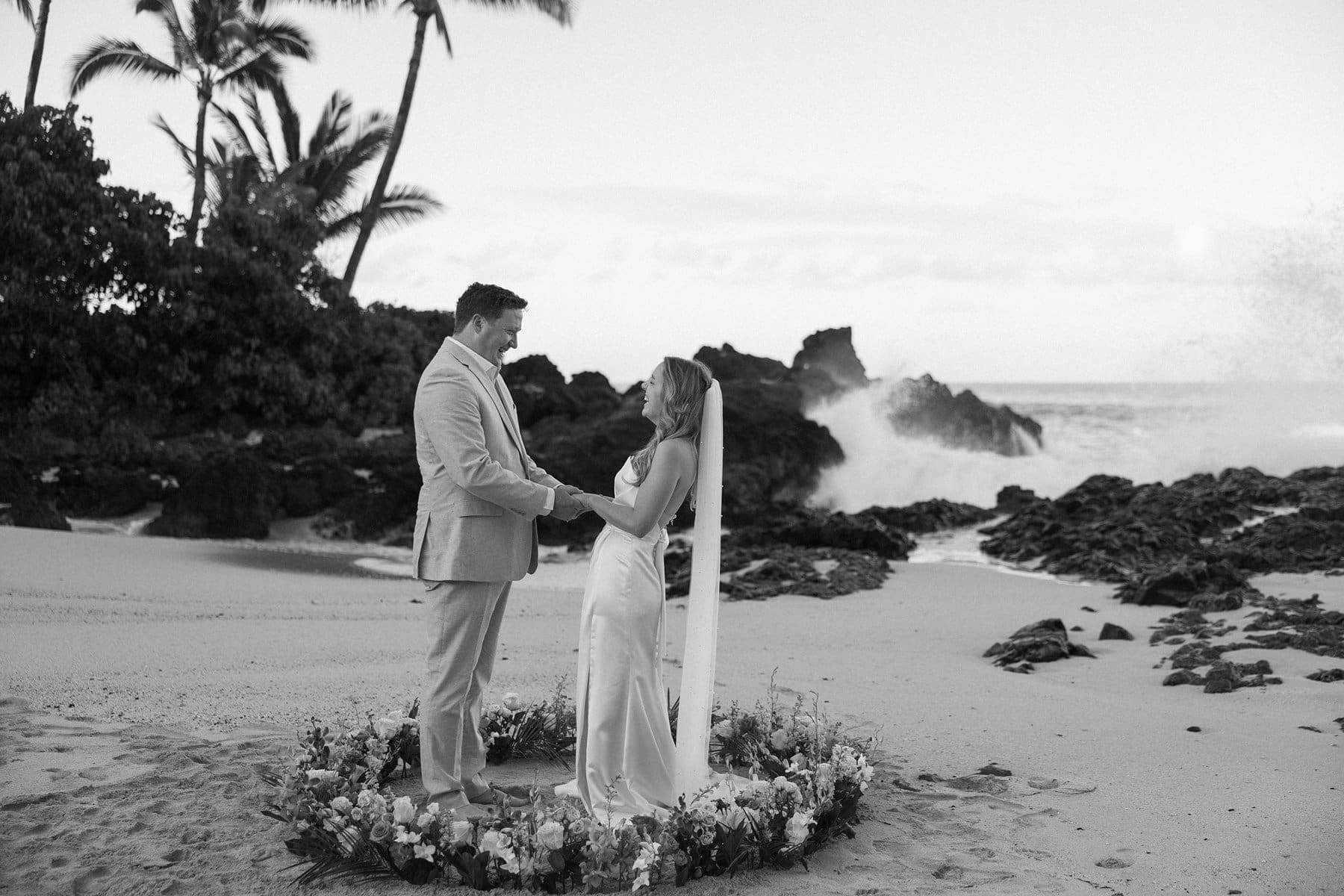
That’s what people don’t always realize about getting married in Hawaii. The wedding is obviously important. But it’s usually everything surrounding it that people end up talking about years later.
In fact, if you’re considering a smaller celebration, I’d highly recommend reading my guide to planning a micro wedding in Maui!
How to Get Legally Married in Hawaii


Step 1: Complete Your Hawaii Marriage License Application
Before you start dreaming about sunset vows, post-ceremony mai tais, and where you’re celebrating afterward, there’s one small piece of paperwork to knock out first. The first step is completing your marriage license application through the Hawaii Department of Health.
The application is completed online before your wedding day, and once submitted, you’ll receive something called a Locator ID. Think of this as your marriage license reference number. You’ll need it later when you meet with a marriage license agent, so don’t lose it in the depths of your inbox.
The current application fee is $65 plus a small administrative fee. It might be the only time during wedding planning that you’ll look at a price and think, “Oh, that’s not bad at all.”
The application itself is straightforward and usually only takes a few minutes to complete. Most couples handle this before arriving in Hawaii, so everything is ready to go once they land.
Step 2: Meet With a Hawaii Marriage License Agent
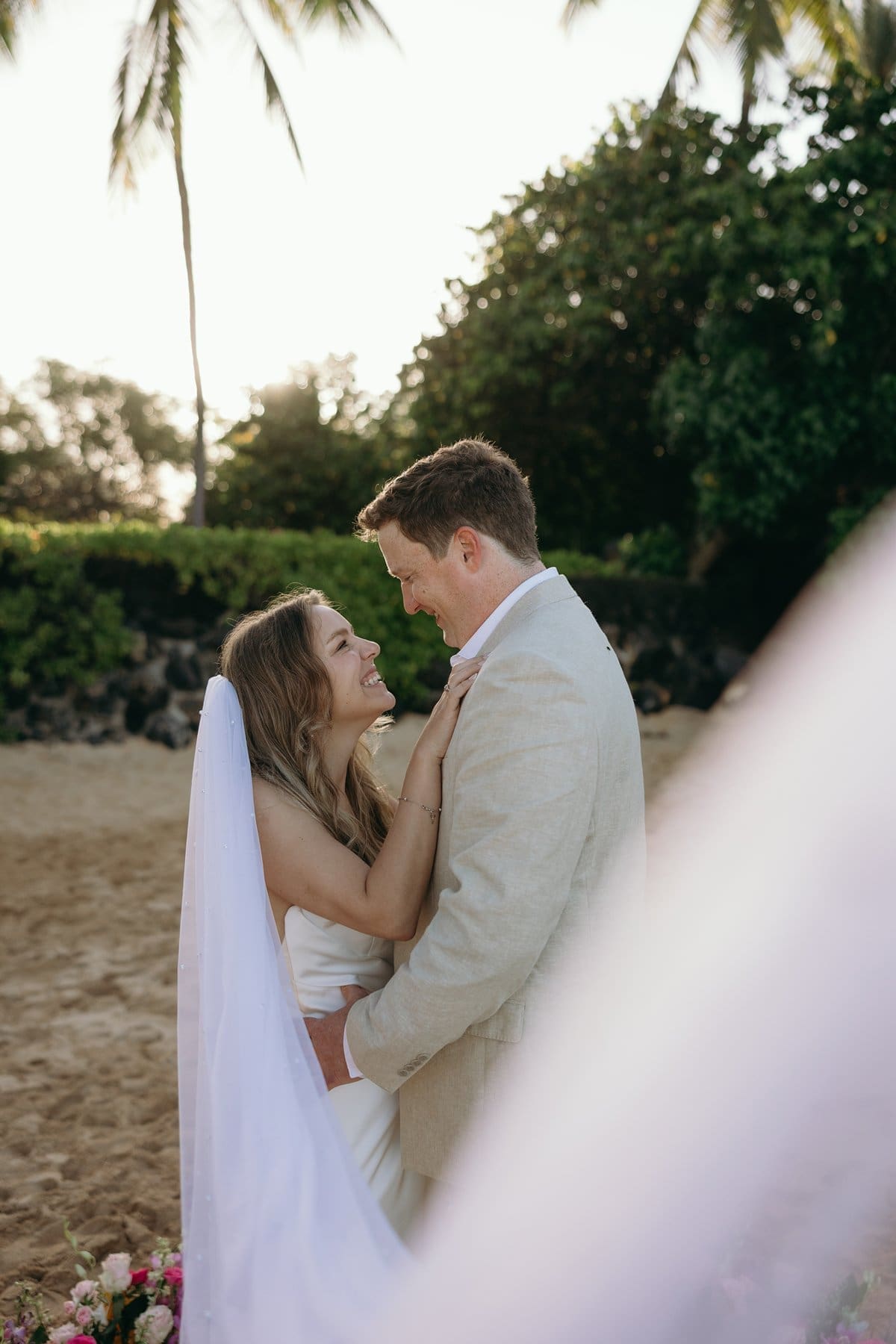
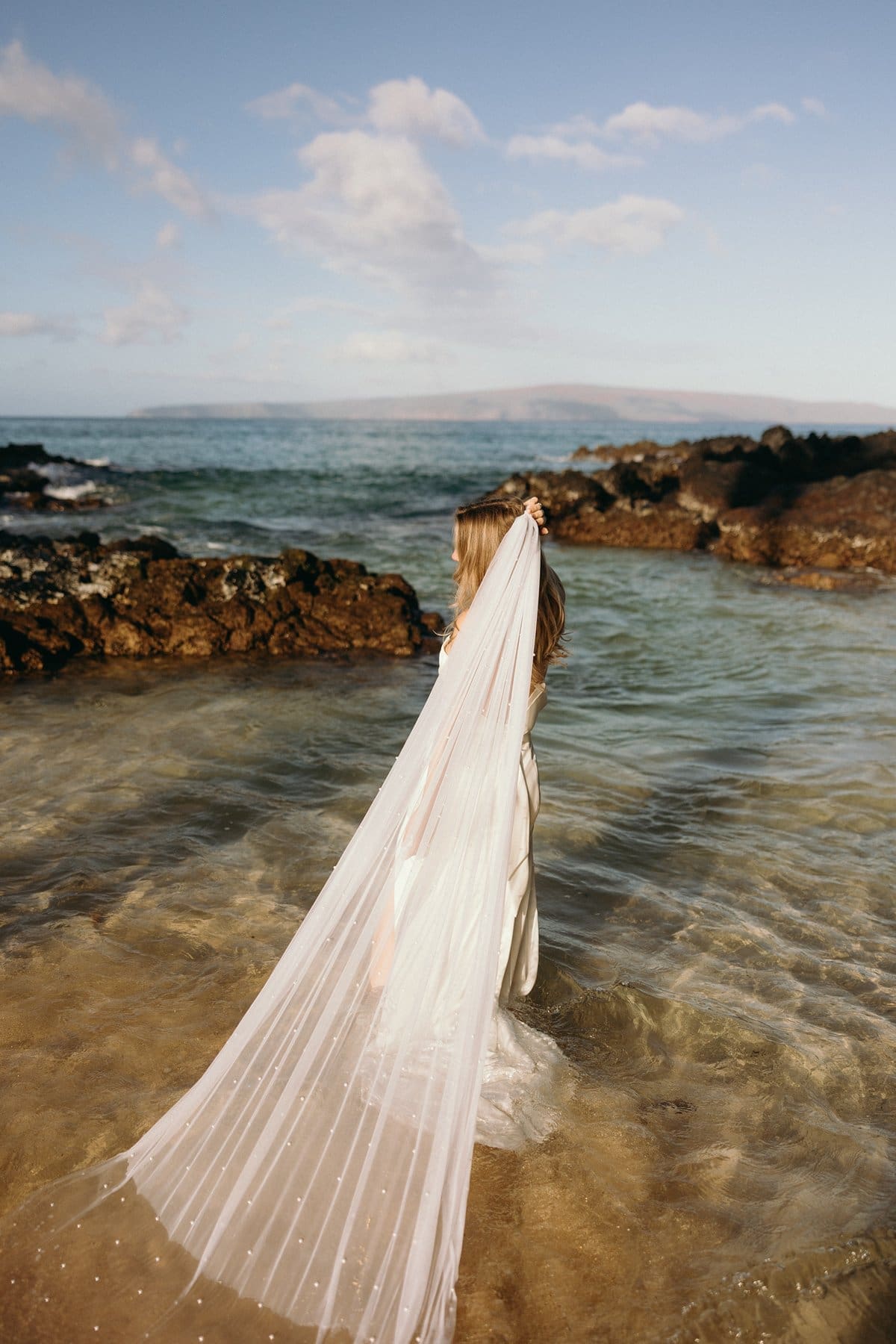
After completing the online application, both partners must meet with a licensed Hawaii marriage license agent in person. This sounds much more official than it feels. The first time couples hear they need to meet with a marriage license agent, they usually imagine some intimidating government office situation. I promise it’s NOT that deep.
You’ll simply bring your government-issued photo ID, provide your Locator ID, verify your information, and receive your marriage license.
The appointment itself is typically quick and painless. Most couples build this into their first day or two on the island. You’ll land, grab groceries, argue over whether you’re staying awake for sunset or taking a nap, and somewhere in there, you’ll knock out the marriage license appointment.
It’s seriously one of the least stressful wedding-related tasks you’ll complete.
There are marriage license agents available throughout Hawaii, including several on Maui, making it easy to fit into your travel plans. One of the best parts of getting married in Hawaii is that your marriage license becomes valid immediately.
No waiting period, extra approvals, or wondering whether you filled out some obscure form incorrectly. You can literally meet with your agent and get married later that same day if you want to. Suddenly, the focus shifts back to what brought you here in the first place: getting married in Hawaii.
Step 3: Choose a Hawaii-Licensed Officiant
This is one step you don’t want to overlook.
For your marriage to be legally recognized, your ceremony must be performed by an officiant who is licensed in the State of Hawaii. Thankfully, finding one is usually pretty easy, especially when you’re working with us! Over the years, I’ve worked alongside some truly wonderful officiants who know exactly how to make a ceremony feel personal, meaningful, and relaxed.
Most Maui wedding photographers, planners, and coordinators have a list of trusted officiants they love working with and are happy to make recommendations.


And here’s one of my favorite Hawaii wedding facts: you don’t need witnesses. That’s right. No witnesses required.
If you’re planning a private Maui elopement and want the ceremony to be just the two of you, Hawaii makes that possible. No awkwardly asking strangers to sign paperwork or convincing a family member to fly across the Pacific if you don’t want guests there. Just the two of you if that’s what feels right. There’s something incredibly powerful about that.
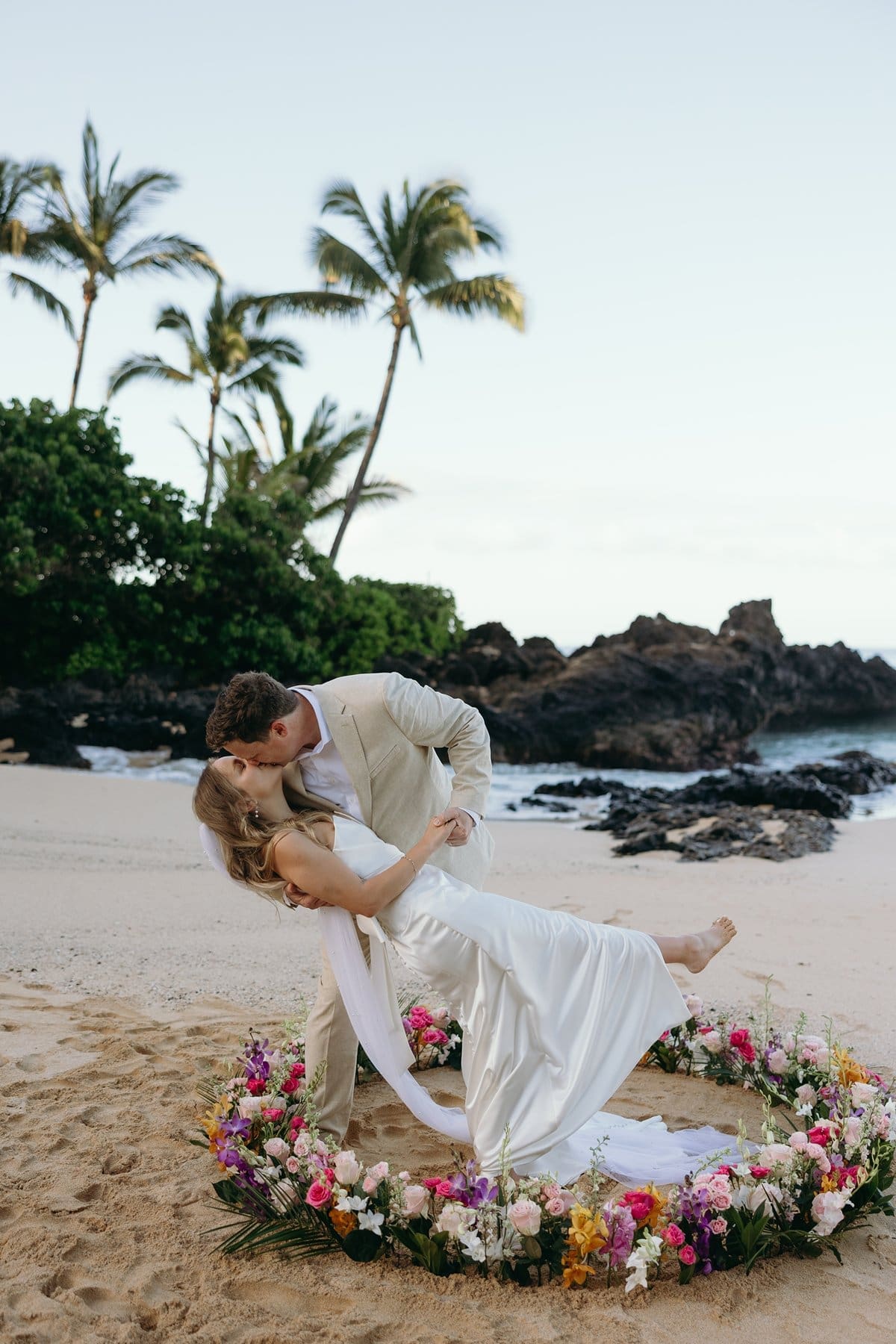


Some of the most emotional ceremonies I’ve photographed have had absolutely nobody else there. One couple finished their vows and then just stood there. Nobody moved. Nobody said anything. The officiant quietly stepped away, and they spent a few minutes watching the waves roll in before either of them remembered a photographer was standing nearby.
I remember driving home that evening thinking, “Yep. That’s exactly why people come to Hawaii to get married.” Not for a big wedding party, but for moments like that.
Step 4: Make Sure Your Ceremony Location Allows Weddings

This is where things can get a little more complicated, not because getting married in Hawaii is difficult, but because every location has different rules. A lot of couples assume they can simply pick a beautiful beach and start planning. Sometimes that’s true. Sometimes it’s not. I totally understand why this happens, too.
You land on Maui, drive down the road for twenty minutes, and suddenly every beach looks like the prettiest beach you’ve ever seen. Then you pull over at a scenic overlook and think, “Wait, can we get married here?” Five minutes later, you find another beach and start questioning everything again.
The island REALLY likes to show off. Many public beaches require permits. State parks often require permits. Certain locations have guest count restrictions, parking limitations, or special regulations that need to be followed.

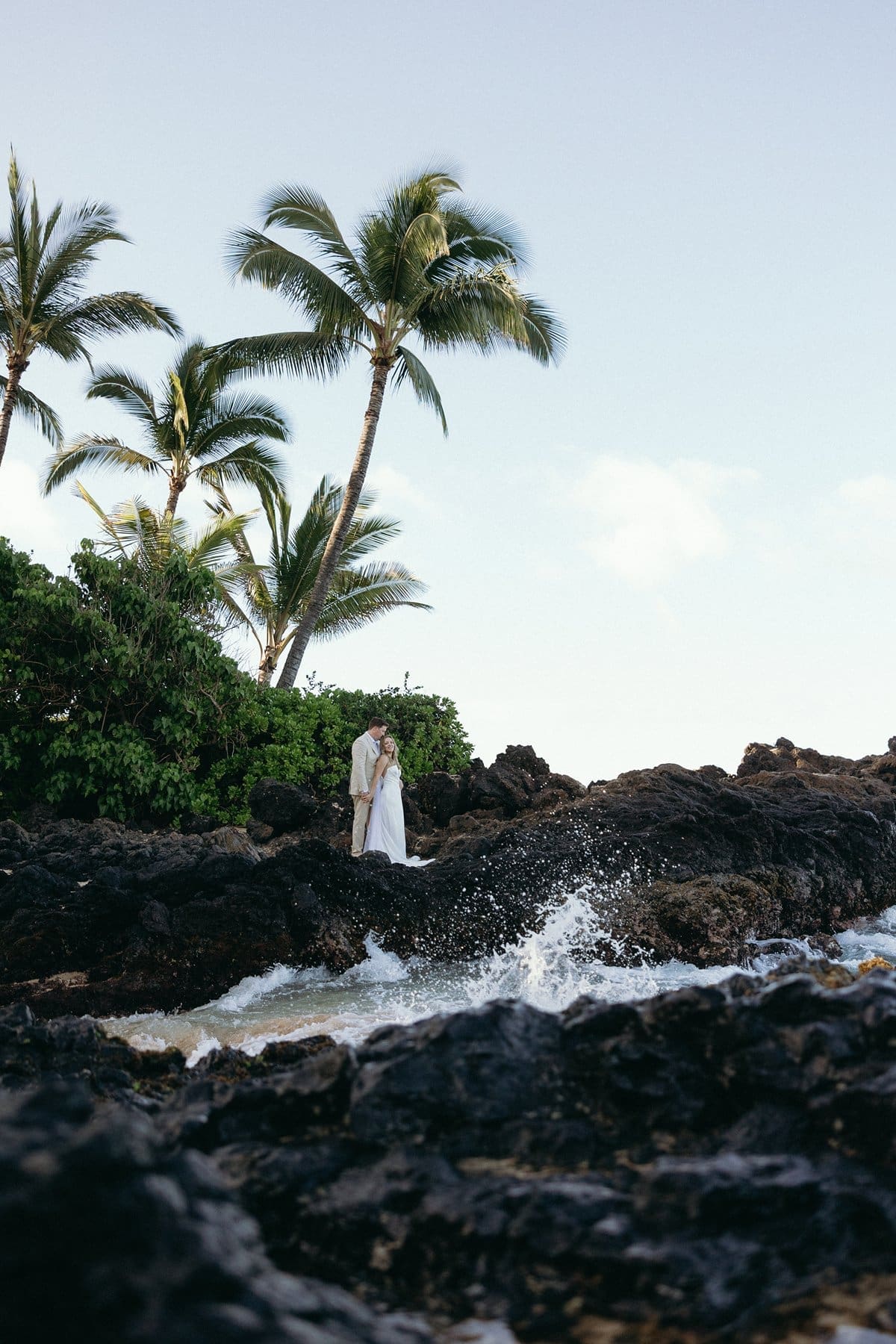

This is one of those things that’s hard to appreciate until you’re planning from 2,500 miles away and suddenly trying to figure out permits, parking, guest counts, and whether the beach you found online is even accessible. We spend all year navigating these locations and can help you figure out what works best before you fall in love with a spot online.
And trust me, I’ve seen couples get excited about a location on Instagram only to realize later that it wasn’t a practical fit for their wedding plans.
Why Private Maui Wedding Venues Can Make Everything Easier
For couples who want more privacy and flexibility, private venues can often be a great alternative. Places like White Orchid Beach House allow couples to host their ceremony, portraits, dinner, and celebration all in one location without worrying about public beach logistics. If you’re interested in White Orchid Beach House, I’ve got a whole blog about it here!

And THIS is another hill I’ll happily die on. Not having to move locations all day is wildly underrated.
I think couples sometimes underestimate how nice it feels to simply arrive somewhere and stay there. No packing everything up or loading people into cars. No wondering whether traffic is going to cooperate.
Just showing up and being fully present. It’s surprisingly the BEST feeling ever.
Step 5: Get Married Within 30 Days
Once your marriage license is issued, you’ll have 30 days to use it.


Most couples meet with their marriage license agent shortly after arriving in Hawaii and then spend the next few days doing what they actually came here to do. Watching sunsets. Eating gas station delicacies. Finding their favorite beach. Sleeping in a little. Letting vacation mode finally kick in before the wedding arrives.
This flexibility is one of the reasons destination weddings in Hawaii feel so much less stressful than people expect. You don’t have to arrive and immediately start checking boxes off a wedding to-do list. You can spend a few days exploring the island, eating amazing food, watching sunsets, and enjoying being here before your wedding day arrives.
Which, if you ask me, is exactly how destination weddings should work. You’re in Hawaii!
Go watch the sunset, get poke, and take the scenic route somewhere. The paperwork can wait until tomorrow.
Step 6: Let Your Officiant Handle the Final Paperwork


After your ceremony, your officiant will file your marriage license with the State of Hawaii. Easy.
You don’t need to mail anything or visit another office. You don’t need to fill out additional forms while you’re trying to enjoy your honeymoon.
Your officiant handles the final filing for you. Once everything has been processed, you’ll be able to request certified copies of your marriage certificate if needed for legal purposes, name changes, or simply because you’d like an official copy for your records.
How Much Does It Cost to Get Married in Hawaii?

One of the most common questions couples ask is how much it costs to legally get married in Hawaii.
The legal portion is pretty affordable.
Here’s a rough breakdown:
- Marriage license: approximately $65 plus administrative fees
- Officiant: varies depending on the ceremony
- Location permits varies by location
- Photography: varies by coverage and experience
- Florals, music, and other vendors: completely customizable
The beauty of Hawaii weddings is that they can be scaled up or down depending on what matters most to you. I’ve photographed weddings that ended with a private chef serving dinner under café lights and weddings where the celebration was takeout poke, bare feet, and watching the sunset together from a beach blanket.


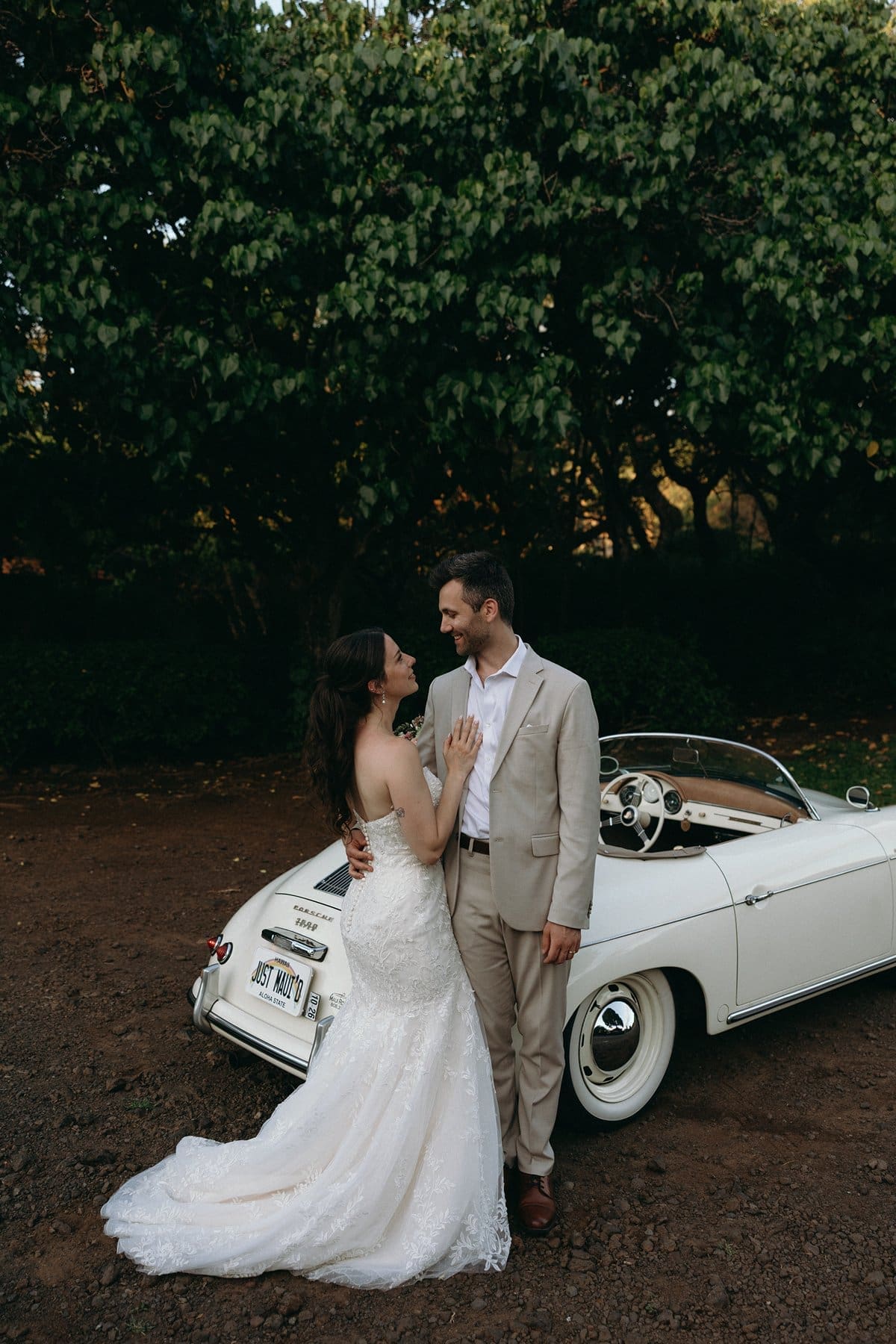
Both were incredible.
That’s probably my favorite thing about Hawaii weddings. The island doesn’t really care how much you spent. A sunset is still a sunset. The ocean is also wonderfully unimpressed by wedding budgets. It shows up exactly the same whether you’re celebrating with two people or two hundred.
Which I weirdly find comforting 😂
Neither is more “right” than the other. The goal isn’t choosing the right version of getting married in Hawaii. The goal is choosing the version that feels most like you.
Common Mistakes Couples Make When Getting Married in Hawaii

- Waiting Too Long to Schedule Their Marriage License Appointment – The process is simple, but don’t wait until the last minute. Give yourself a little buffer in case travel plans change or unexpected delays pop up.
- Assuming Every Beach Allows Weddings – Just because you found a beautiful location online doesn’t mean it’s available for ceremonies. Always double-check permit requirements before making plans.
- Trying to Plan Everything From the Mainland – I completely understand wanting to research everything yourself. But Hawaii has its own logistics, regulations, weather patterns, and location-specific considerations. Having local vendors in your corner can save you a lot of stress.
- Packing the Timeline Too Full – This one isn’t legal advice. It’s just advice from someone who photographs a lot of weddings.
- Leave room to enjoy Hawaii – I know that sounds obvious, but it’s surprisingly easy to fly all the way across the Pacific and accidentally create a schedule that leaves no room to enjoy where you are. Stop for shave ice. Watch the sunset. Take the scenic route. Sit together for ten minutes and soak it all in.
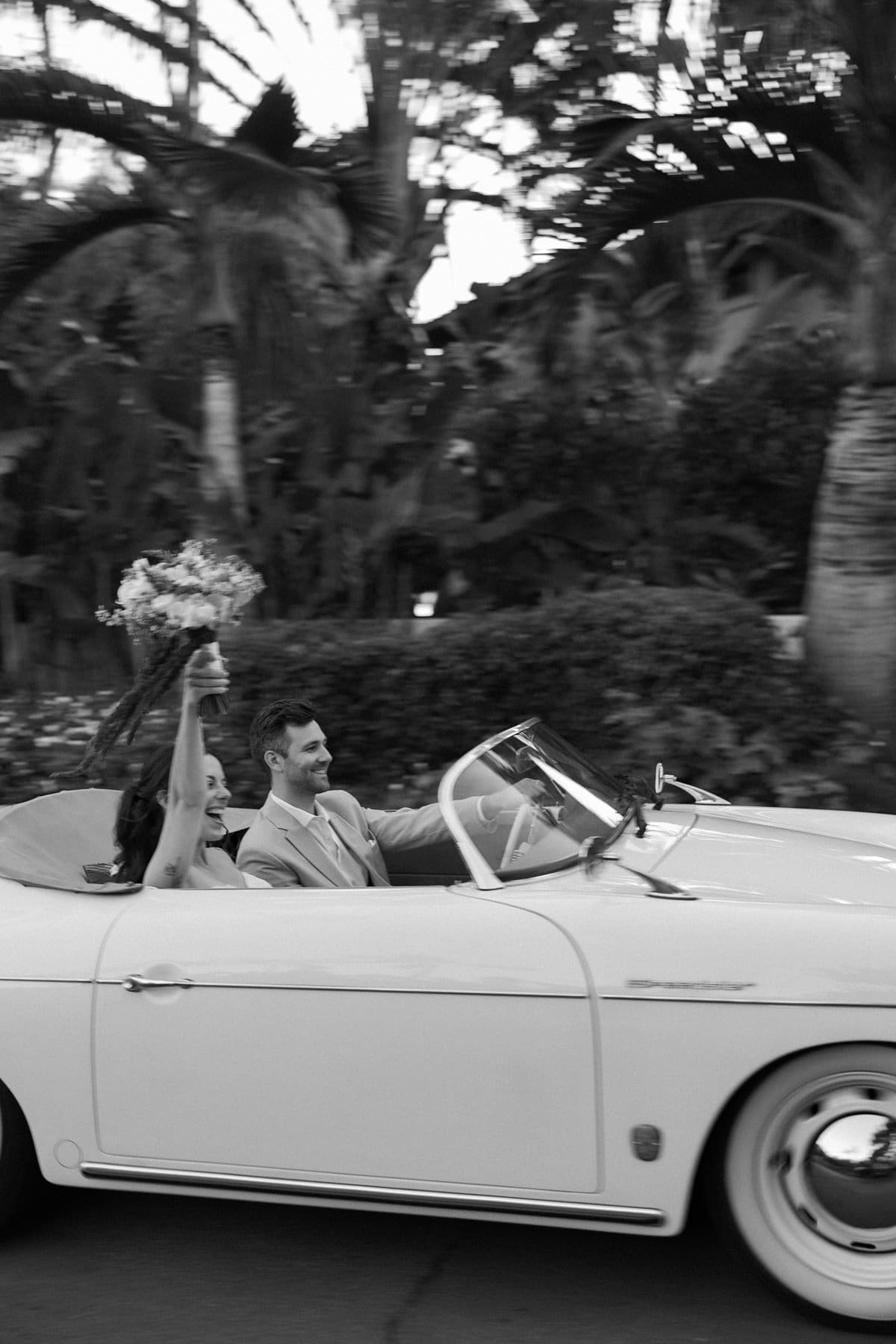
Some of your favorite moments will happen when absolutely nothing is scheduled.
Local Tips From Your Maui Wedding Photographer
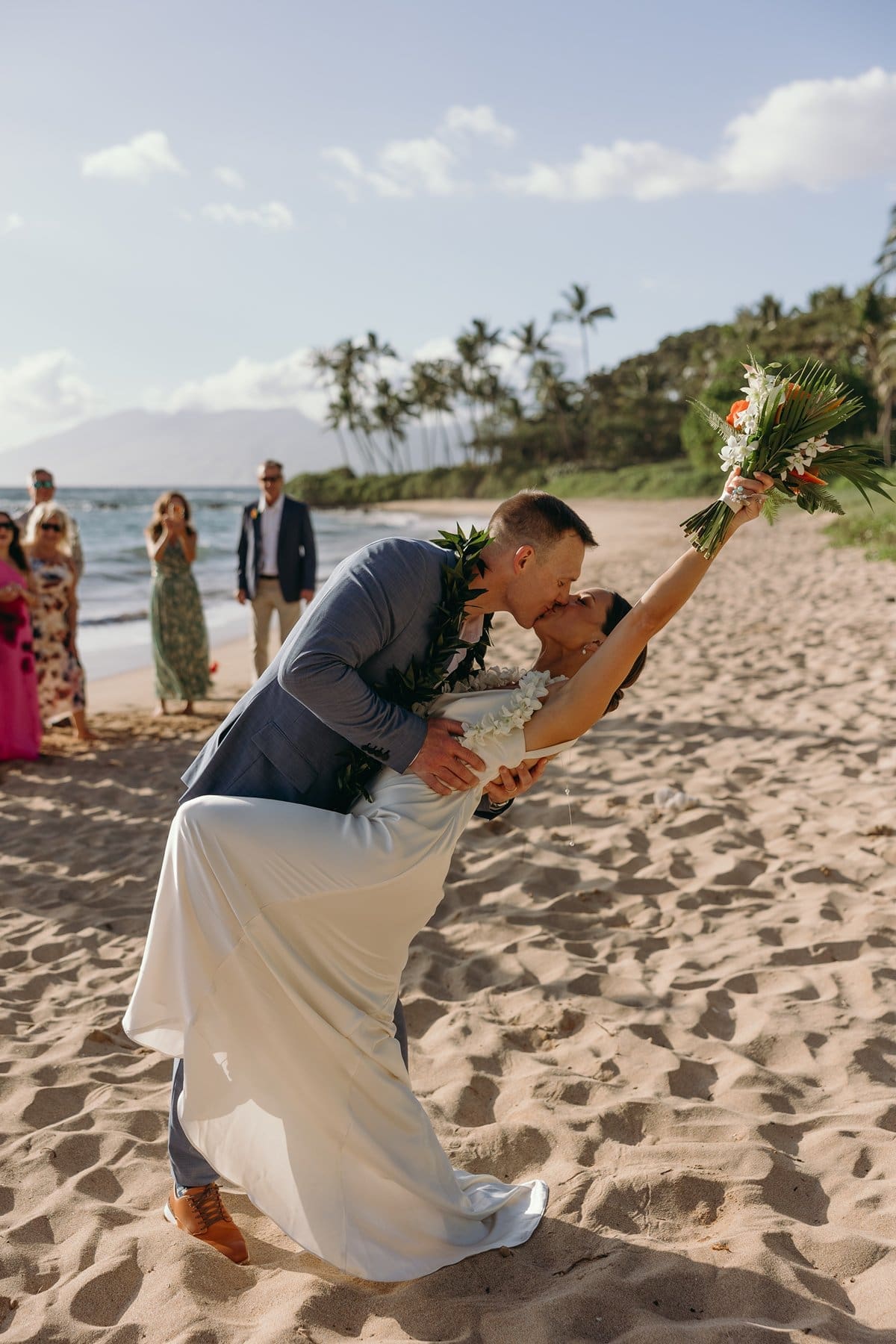

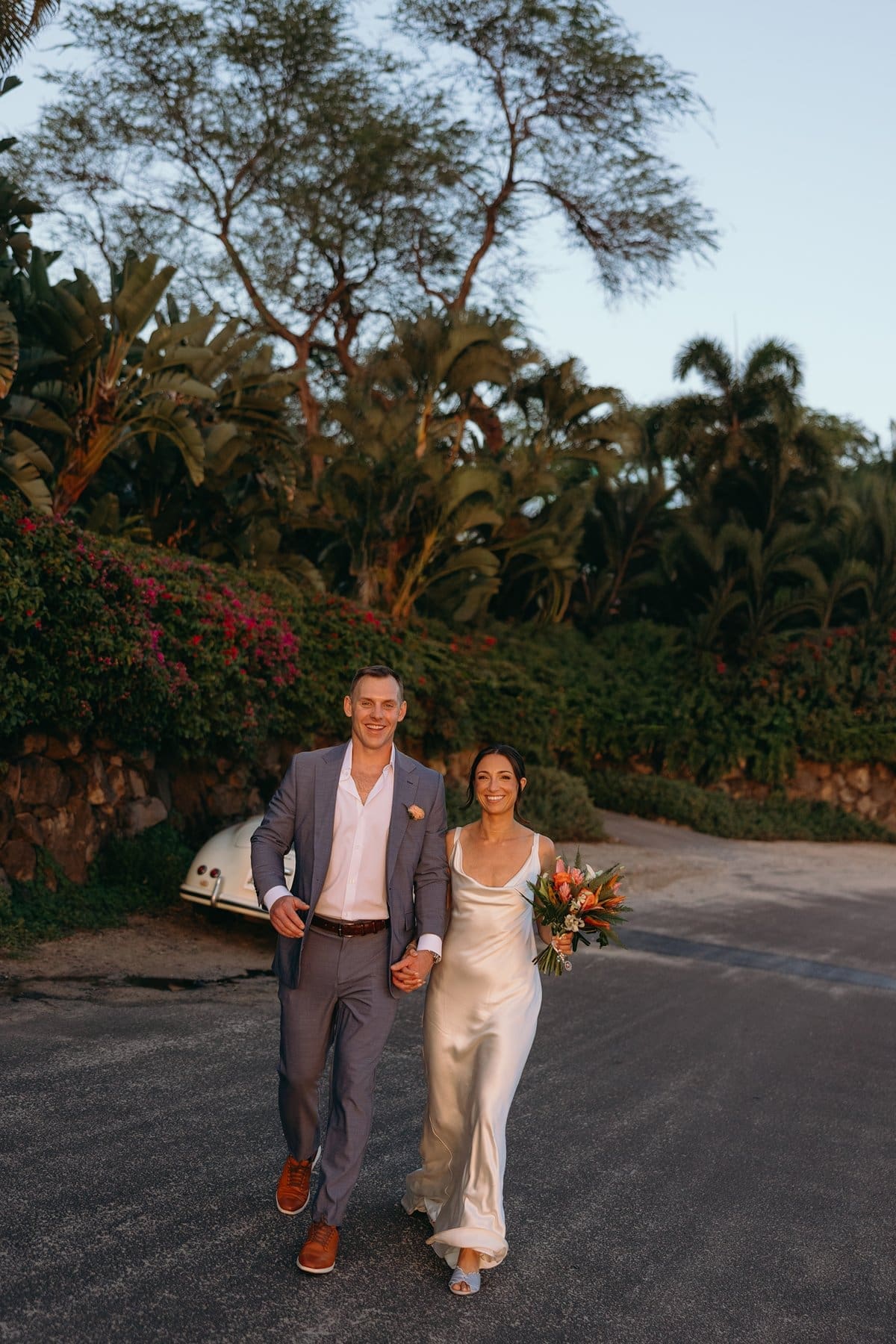
After photographing weddings all over Maui, there are a few things I find myself telling couples over and over again.
First, schedule your marriage license appointment early in your trip, whenever possible.
Even though the process is straightforward, it’s one less thing you’ll need to think about once wedding festivities begin.
Second, leave room for flexibility.
Maui has a funny way of wrecking overplanned schedules. Not in a bad way. More in a “you accidentally spent forty minutes watching sea turtles” kind of way. Or a “you stopped for coffee and ended up sitting outside talking for an hour because the view was ridiculous” kind of way.
The couples who seem most relaxed on their wedding day are usually the ones who left enough room for those moments to happen. I once had a couple build extra time into their wedding day with absolutely no plan for it. No activity or scheduled event. Just time. They ended up sitting on the beach eating poke and talking about how weird it felt that they were finally getting married after years together.
Hawaii has a way of reminding people that not every meaningful moment needs to be scheduled. The ocean doesn’t care about your timeline; sunsets don’t rush, and the days that feel the most meaningful usually have enough breathing room to enjoy the place you’re standing in.
Third, trust local vendors.

Local vendors know which beaches tend to be crowded, which locations photograph best at sunrise or sunset, which roads take longer than Google Maps claims they do, and which hidden gems most visitors never find.
If you’re trying to decide between the two, I put together a full guide comparing sunrise vs sunset weddings in Maui and why each creates a completely different experience.
Those little pieces of local knowledge can completely change your experience.
Sometimes the difference between a good wedding day and an incredible one isn’t a bigger budget or a more elaborate plan. It’s simply having someone point you toward the beach that’s quiet that evening or suggest waiting ten more minutes for the light to change.

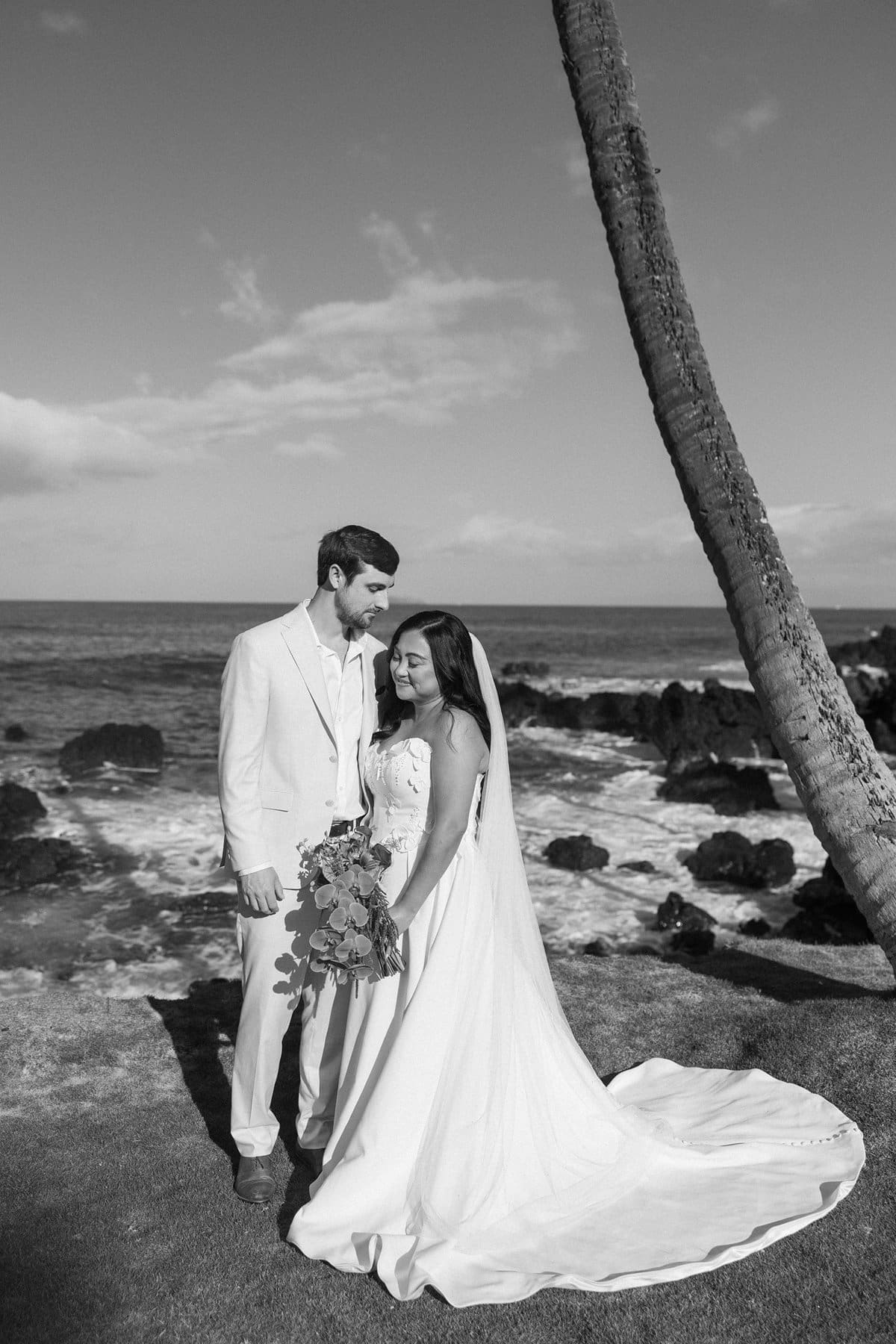
Finally, don’t feel like your wedding has to look like everyone else’s.
Some couples exchange vows on the beach, and some get married at a private estate. While others celebrate with a chef-prepared dinner. Some spend the afternoon snorkeling or sailing before their ceremony.
There isn’t one “right” way to get married in Hawaii. That’s kind of the beauty of it.
Why 2027 Couples Are Choosing More Intentional Hawaii Weddings
One of the biggest shifts I’ve noticed recently is that couples aren’t asking, “What should our wedding look like?” They’re asking, “What do we want this to feel like?” I LOVE that shift. For a while, it felt like weddings were becoming bigger and bigger and bigger.
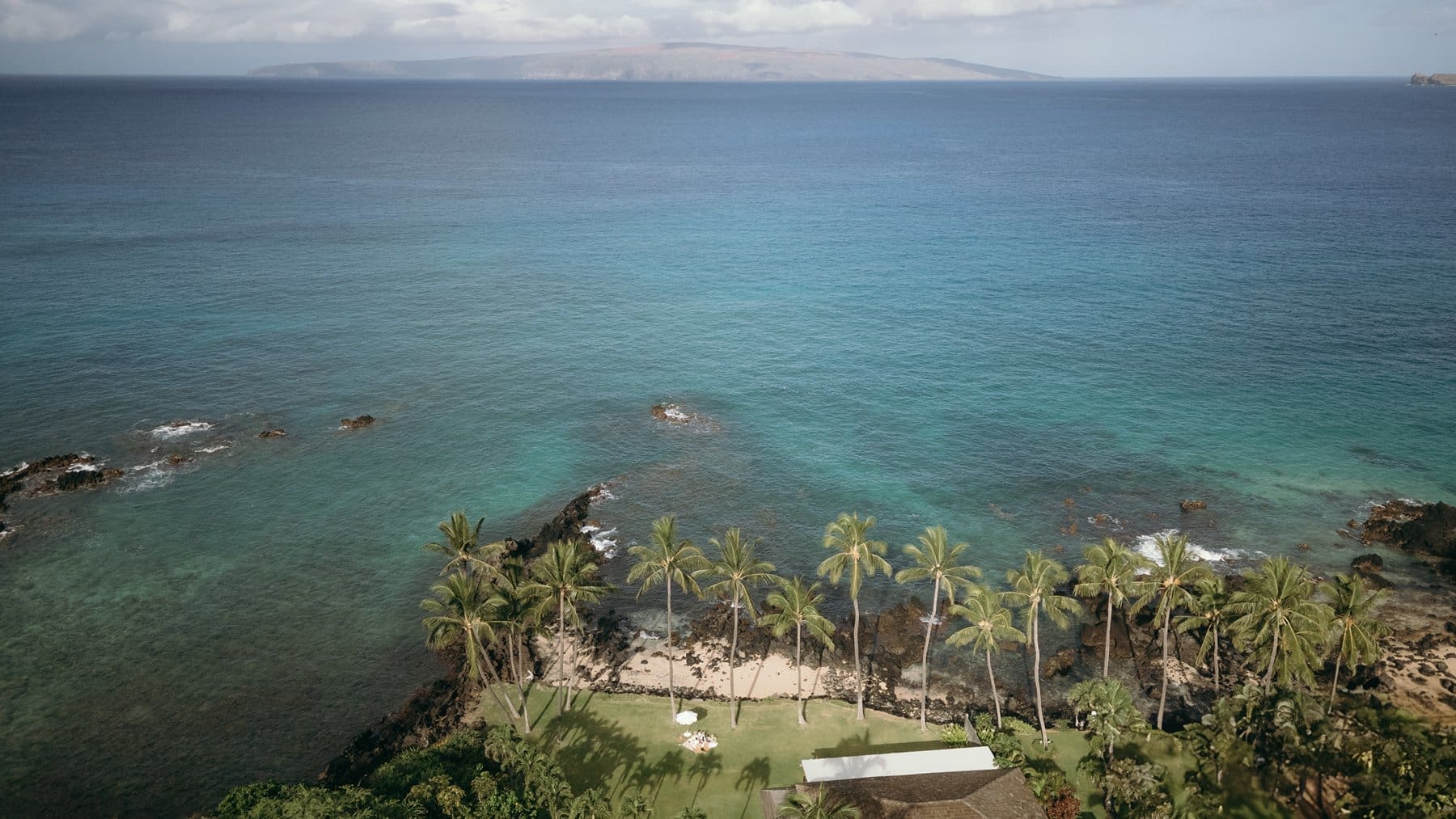
Now couples are asking a different question: “What are we still going to be talking about ten years from now?” That’s part of why Hawaii works so well for weddings. The island doesn’t really reward rushing. It rewards lingering. Staying for one more drink. Taking the longer way back. Sitting on the beach after everyone else has gone inside. The memories people bring home from Hawaii are usually the moments they didn’t realize were important until later.
The funny thing is that nobody ever calls me years later to talk about chair rentals. They tell me about the conversation they had walking back from dinner. The sunset, they almost skipped, or a family member who unexpectedly ended up being the life of the party.
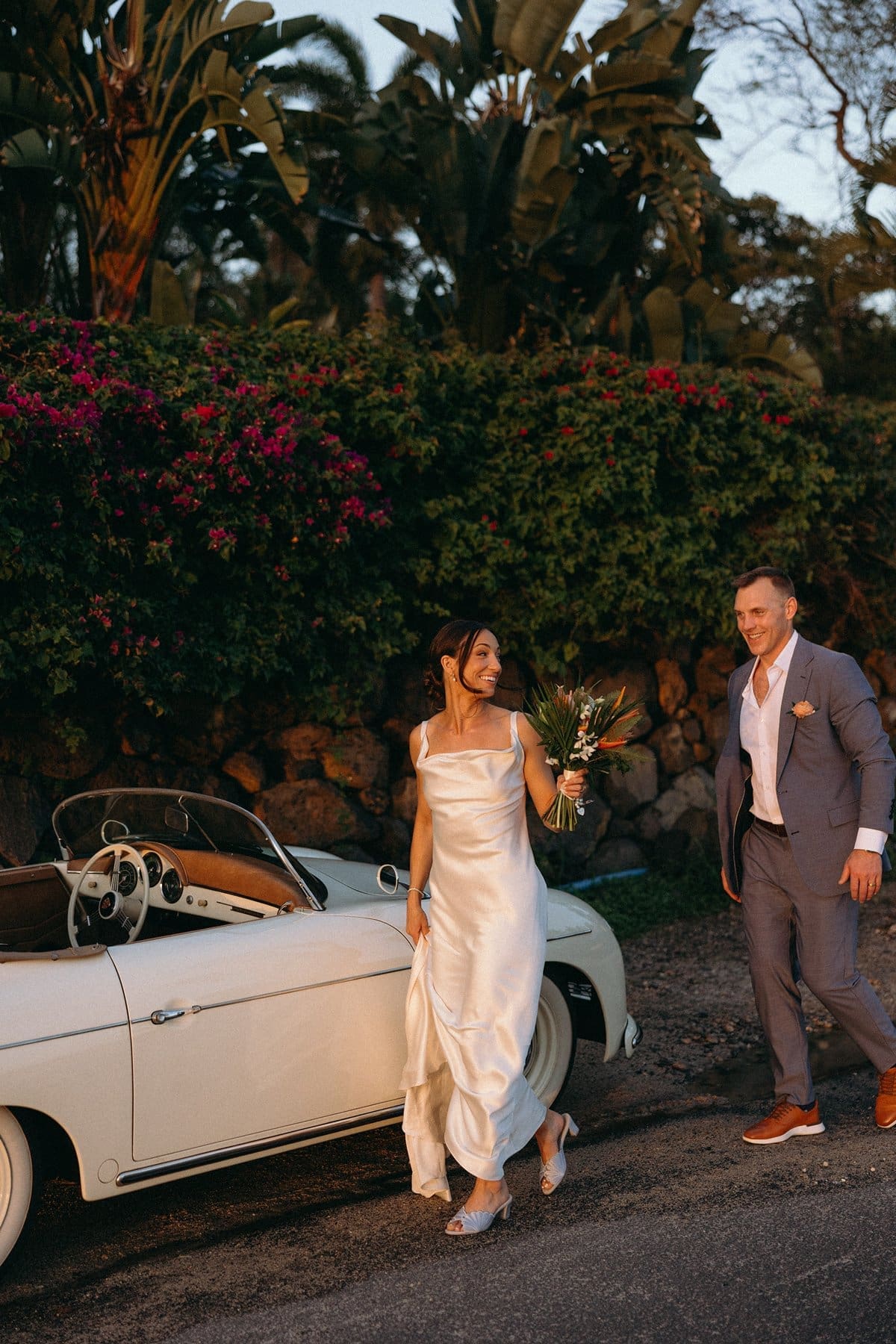
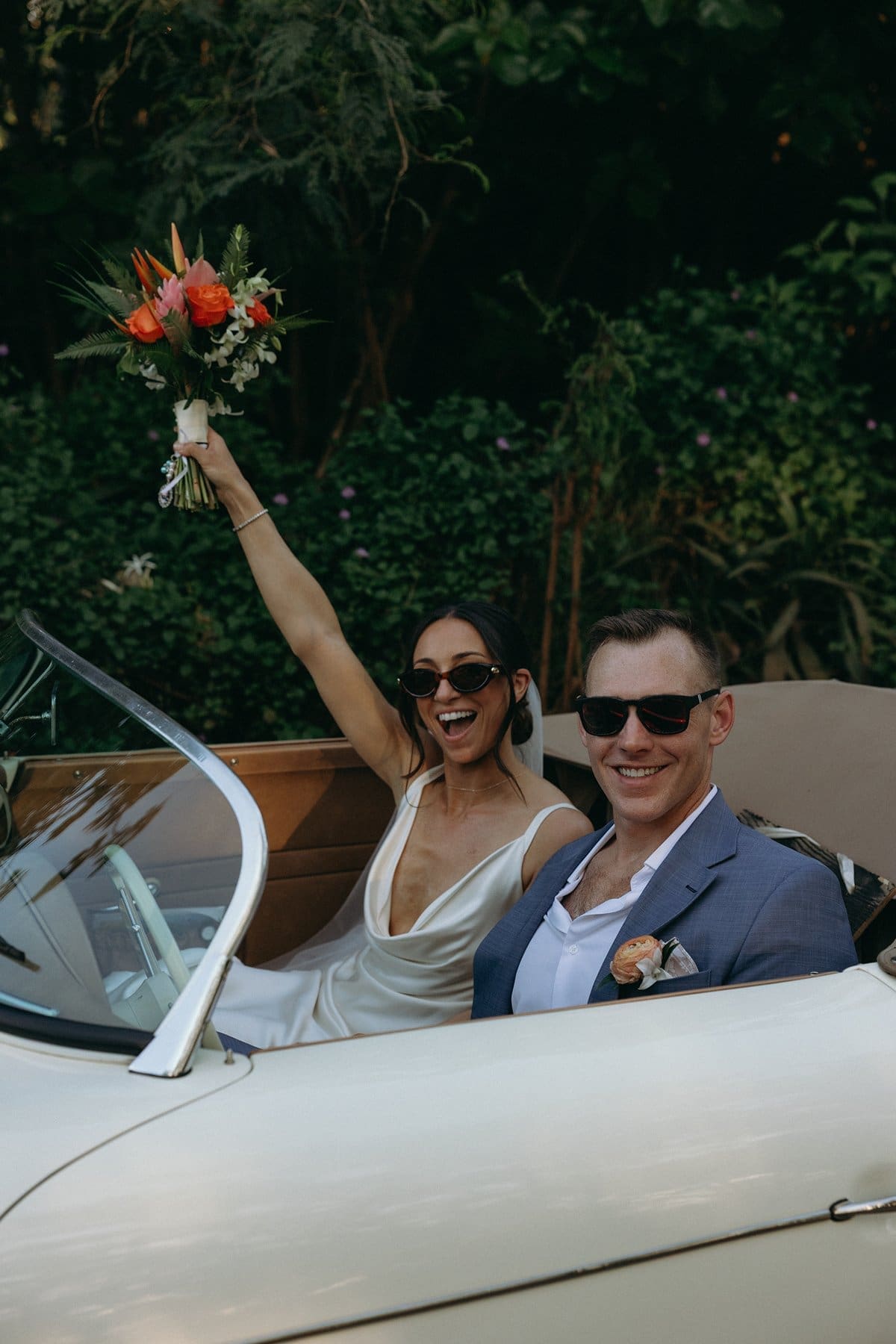
The things that weren’t supposed to be the main event but somehow became part of the story anyway.
I’ve noticed that couples are getting much better at asking themselves a simple question: “If nobody else had an opinion, what would we do?”
The Best Wedding Decisions Usually Start With One Question
Sometimes the answer is a private beach ceremony. Sometimes it’s inviting twenty people instead of two hundred. Other times, it’s renting a house for the week and spending more money on experiences than decorations.
The couples who seem happiest with their wedding day afterward aren’t necessarily the ones who spent the most money. They’re usually the ones who gave themselves permission to stop performing and start choosing.

I love this because it takes a lot of pressure off. Weddings stop becoming performances and start becoming experiences. That shift changes everything. Hawaii is one of the top places in the world to create that kind of experience.
Something about being surrounded by the ocean makes it easier to tune out expectations and focus on what matters. Maybe that’s why so many couples leave saying the same thing: “That felt exactly like us.”
Frequently Asked Questions About How to Get Married in Hawaii


Do you need to be a Hawaii resident to get married in Hawaii?
Nope! One of the reasons Hawaii is such a popular destination wedding location is that you don’t need to live here to legally get married here. Couples travel from all over the mainland (and all over the world) to tie the knot in Hawaii every year. So if you’ve been dreaming about saying your vows with your toes in the sand and a mai tai waiting afterward, you’re good to go.
Can you get married in Hawaii if you’re not a U.S. citizen?
Yes! International couples can legally get married in Hawaii as long as they meet Hawaii’s marriage license requirements. Hawaii is a popular destination wedding location for couples traveling from Canada, Australia, Europe, and beyond. Just be sure to bring valid government-issued identification and check whether you’ll need certified copies of your marriage certificate for use in your home country.

Can tourists legally get married in Hawaii?
Absolutely. In fact, most of the couples I work with are visiting Hawaii specifically for their wedding or elopement. As long as you complete the marriage license process and work with a Hawaii-licensed officiant, you’re all set.
How long does it take to get a Hawaii marriage license?
The online application itself usually takes just a few minutes, and the in-person appointment with your marriage license agent is typically quick and easy. I’ve spent longer waiting in line for shave ice. 😂
Can you elope in Hawaii?
Absolutely. In fact, Hawaii is one of the most popular places in the world to elope. Whether you’re planning a sunrise beach ceremony, a private estate celebration, or a simple ceremony with just the two of you, Hawaii makes the legal process surprisingly straightforward. Many couples choose Maui elopements because they can combine an incredible vacation with an intimate wedding experience.
If you’re leaning toward a smaller celebration, I also put together a complete guide on what it’s really like to elope in Maui, including planning tips, location ideas, and why so many couples choose this route.

Do you need witnesses to get married in Hawaii?
Nope, and I LOVE this about Hawaii.
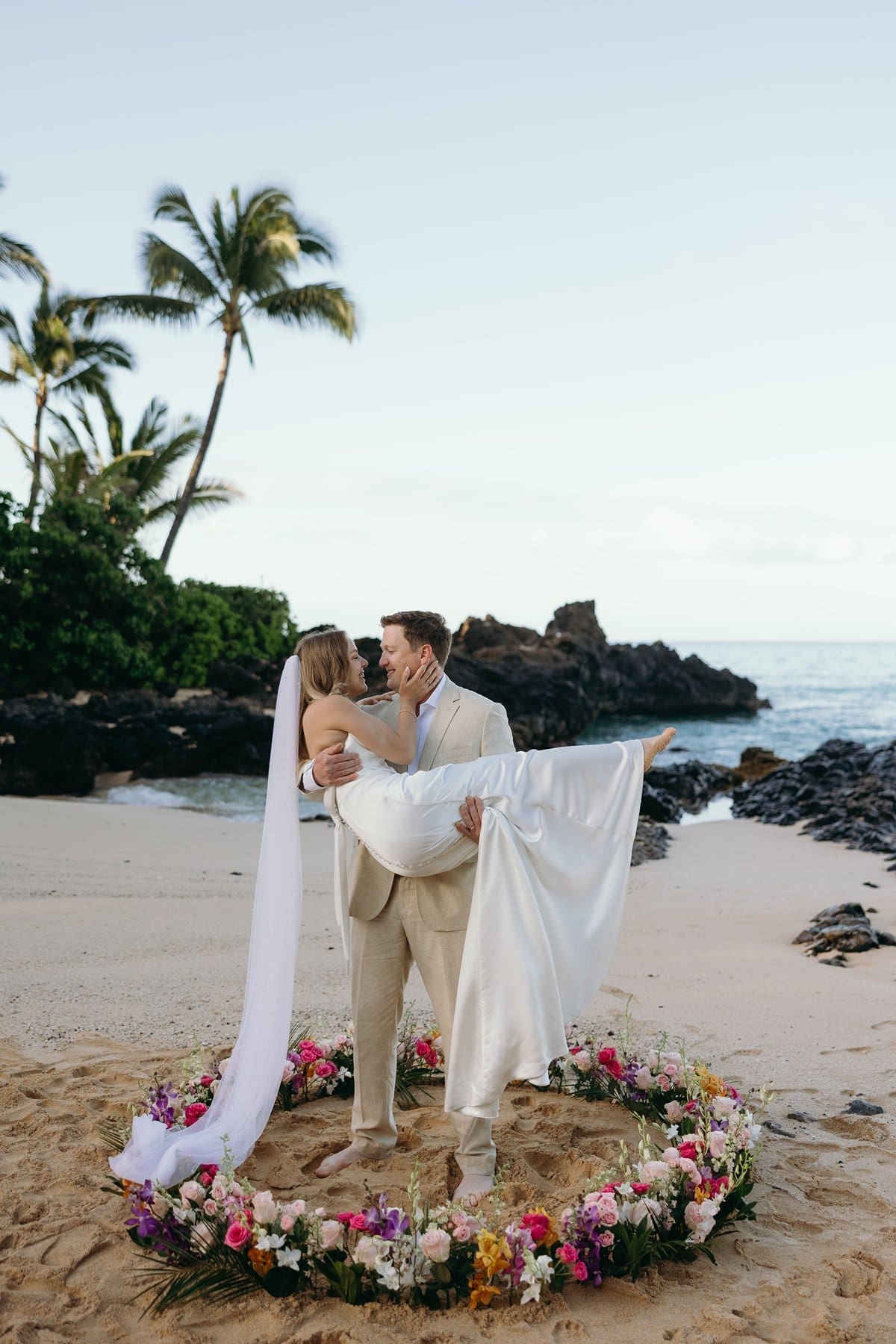
If you’re planning an intimate elopement, you don’t have to worry about finding witnesses or asking random beachgoers to sign paperwork. Hawaii allows your ceremony to be just the two of you, your officiant, and maybe a sea turtle swimming by in the distance if you’re lucky.
Can you get married the same day you receive your marriage license?
Yes! There is no waiting period in Hawaii, which is one of the reasons couples are always pleasantly surprised by how easy the process is. Meet with your marriage license agent in the morning and get married that evening if you want to.
What is the best month to get married in Hawaii?
There isn’t one perfect month, but many couples love getting married in Hawaii during April, May, June, September, and October because the weather is typically incredible and crowds can be lighter than peak holiday seasons. The best month ultimately depends on your priorities, budget, and preferred wedding experience.

How much does it cost to get married in Hawaii?
The marriage license itself is approximately $65 plus administrative fees, making it one of the least expensive parts of wedding planning.
The bigger question is usually how you want to celebrate afterward. A simple beach elopement and a full wedding weekend will have very different budgets, but the legal paperwork itself is refreshingly affordable.
Can you legally get married on a beach in Hawaii?
Yes, but this is where things get a little tricky.
Some beaches require permits, and some have guest count restrictions. Others are much better suited for ceremonies than others. This is one of those situations where working with local vendors can save you a LOT of research and a few headaches along the way.
How far in advance should I apply for a Hawaii marriage license?
Most couples complete the online application before arriving in Hawaii and schedule their appointment shortly after they land. My advice? Give yourself a little buffer. Nobody wants to be thinking about paperwork while they’re trying to enjoy their first sunset on Maui.
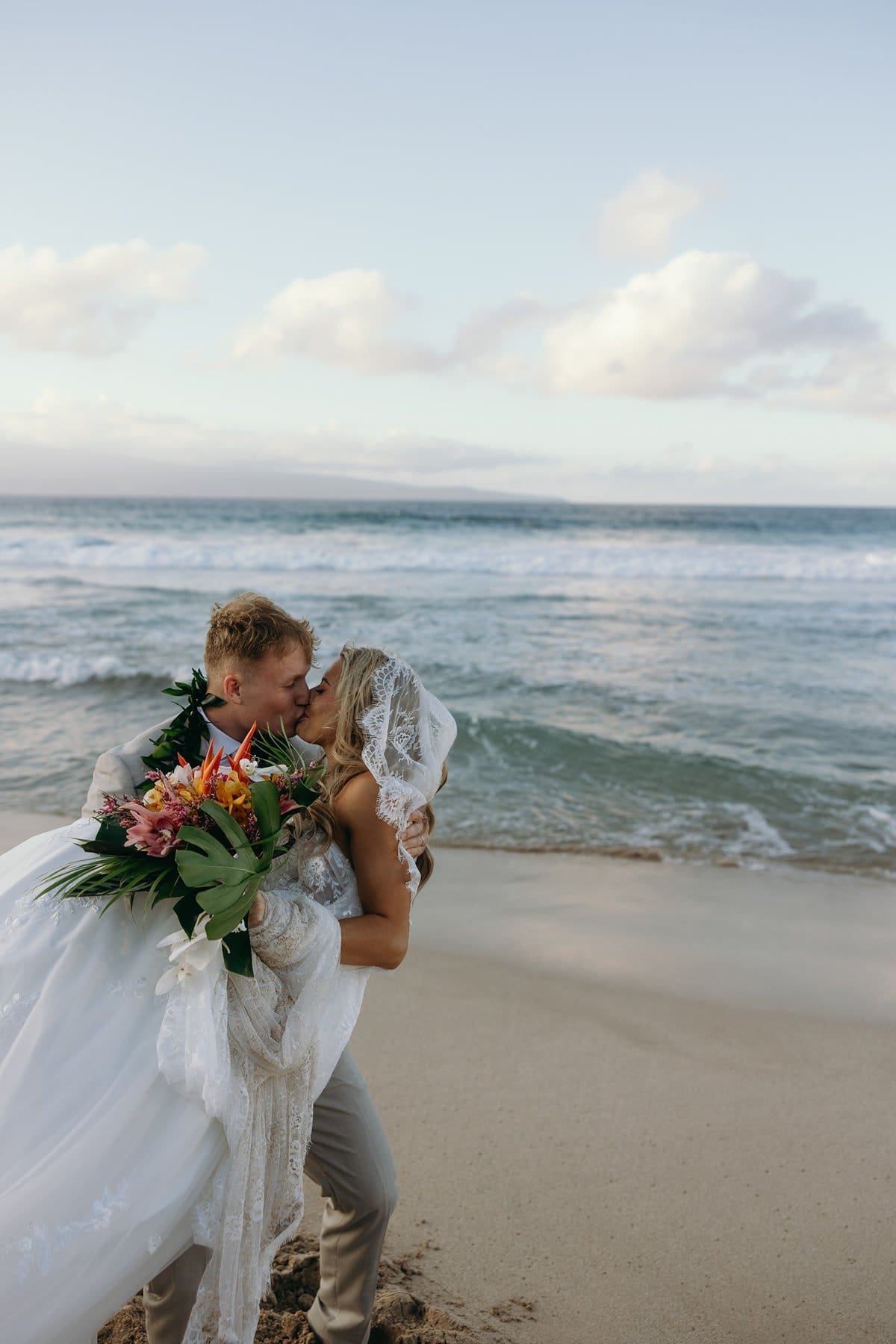


What documents do I need to get married in Hawaii?
For most couples, a valid government-issued photo ID (like a driver’s license or passport) is all you’ll need. Pretty simple.
No giant binder of paperwork. No scavenger hunt for obscure documents. Just bring your ID, and you’re already most of the way there.
What is the easiest Hawaiian island to get married on?
Okay, I’m OBSESSED with where I live, so of course I’ll always vote for Maui. But Maui is hard to beat if you’re planning a Hawaii wedding or Maui elopement. You get incredible beaches, breathtaking private venues, amazing restaurants, luxury resorts, waterfalls, snorkeling, hiking, and some of the most talented wedding vendors in Hawaii. It’s one of the reasons so many couples choose Maui for their destination wedding or elopement year after year.
Because at the end of the day, nobody talks about the paperwork afterward.

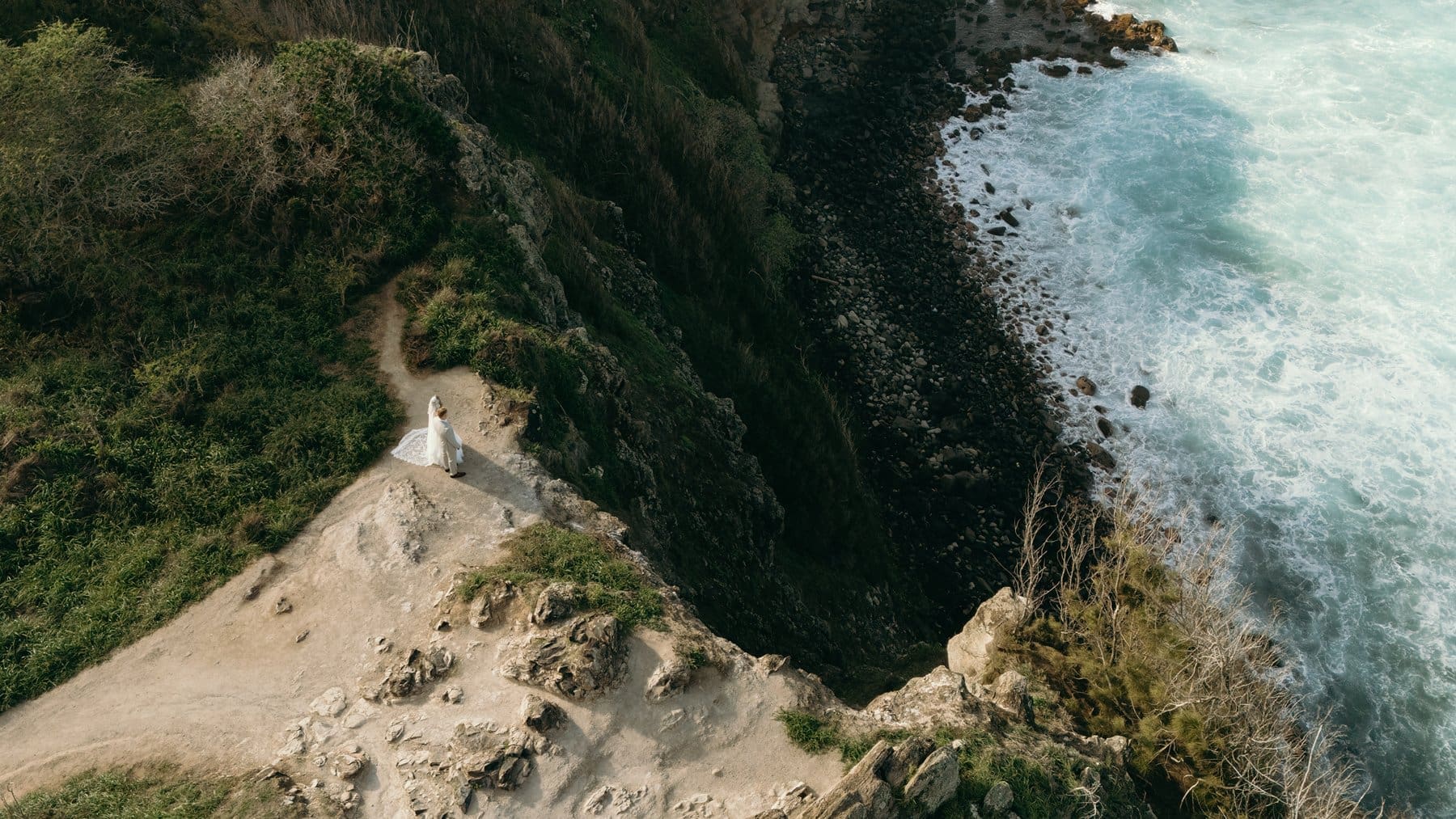
They talk about the sunset they watched after dinner. The people they hugged. The vows they almost forgot because they were nervous. The feeling of finally being married.
That’s the part you’ll remember.
Ready to Get Married in Hawaii?
The legal process might be simpler than you expected, but creating a wedding day that feels like you? That’s where the really fun part starts. Because getting married in Hawaii isn’t just about signing paperwork. It’s about watching the sun set over the ocean after you’ve said your vows and celebrating with your favorite people.

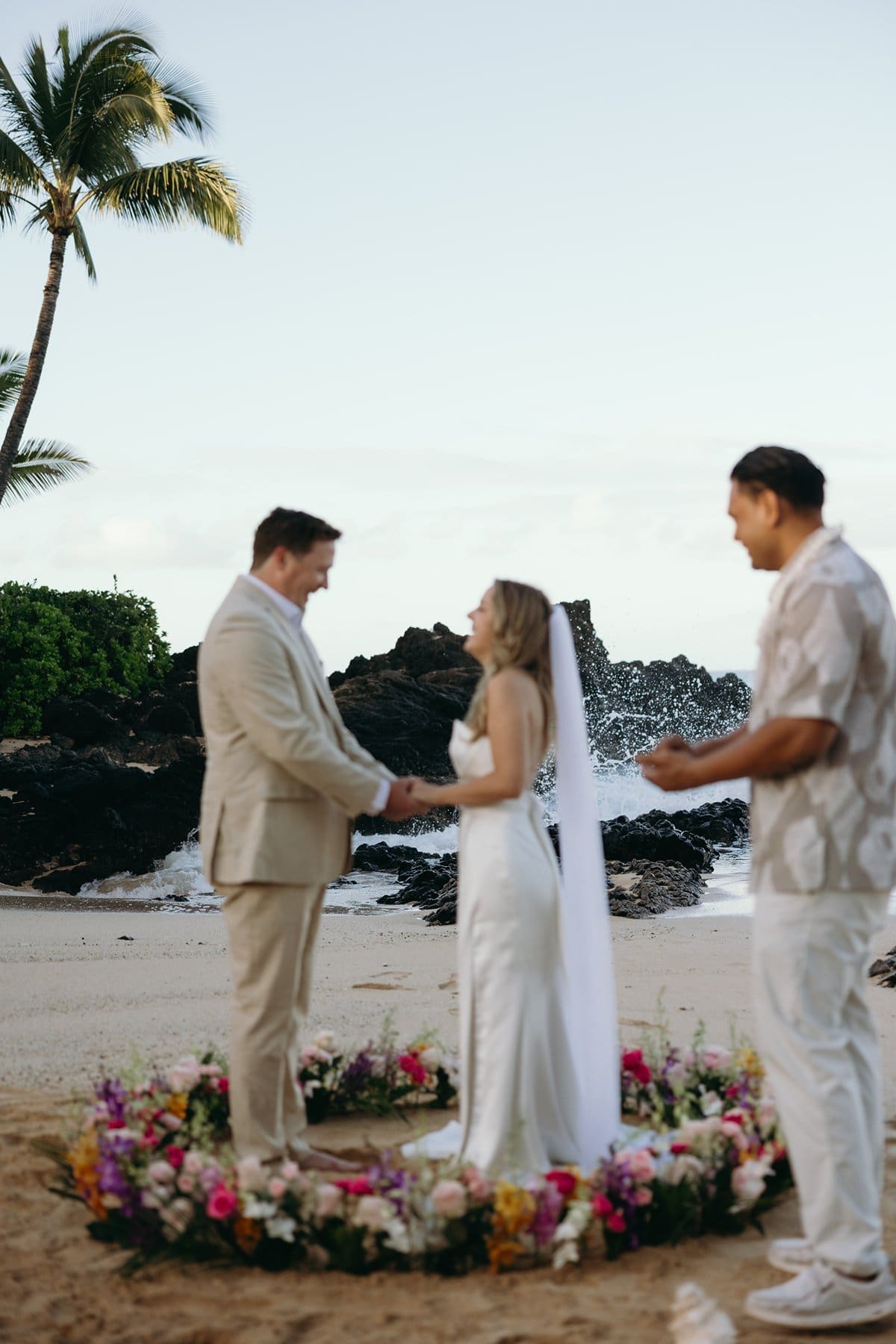

It’s about creating a day you’ll still be talking about years from now.
Whether you’re planning a Maui elopement, a micro wedding with family, or a destination wedding weekend, I’d love to help you create a day that feels relaxed, intentional, and completely your own. Reach out today, and let’s start planning your Hawaii wedding adventure. I can’t wait to hear what you’re dreaming up!


Planning your Hawaii beach wedding and looking for more tips or inspiration? Keep scrolling to see more love stories!
Micro Beach Elopement in Maui with Two Locations (Why It Changes Everything)
Why Drone Videography Has Become a Must-Have for Maui Weddings and Elopements
Maui Elopements: Unique Additions That Make Your Wedding Feel More Like You


